Communications

July 30, 2026

Lutein Across the Lifespan: Why This Powerful Nutrient Matters More Than You Think

When most people think about nutrients for eye health, they often think of carrots or vitamin A. But there’s another nutrient that deserves just as much attention: lutein. 

Lutein is a naturally occurring carotenoid—a plant pigment with antioxidant properties—found in foods like spinach, kale, egg yolks, and other colorful fruits and vegetables.(1) While it’s best known for supporting healthy vision, researchers have discovered that lutein does much more than protect the eyes. In fact, it plays important roles in brain health, cognitive performance, skin health, and development throughout every stage of life.(2)

The challenge? Most people simply aren’t getting enough.(3)
What Is Lutein?

Lutein is one of the most abundant carotenoids found in the human body, particularly in the eyes and brain. Because the body cannot produce lutein on its own, it must be obtained through food or supplementation.(1)

Research suggests that consuming around 10 mg of lutein daily may provide meaningful benefits for eye and cognitive health. However, most people consume only 1–2 mg per day, creating a significant nutritional gap.(3)

Even individuals who eat a healthy diet may struggle to reach optimal levels because lutein is tightly bound within plant cell structures, making it difficult for the body to absorb efficiently from food alone.(1)

Supporting Daily Visual Performance

Our eyes are constantly exposed to environmental stressors, including sunlight, LED lighting, and hours spent looking at digital screens. These exposures can generate oxidative stress, which may damage sensitive retinal tissues over time. Lutein helps protect the eyes in several important ways.(4-8)

First, it acts as a natural filter for high-energy visible (HEV) blue light. Think of lutein as an internal pair of sunglasses that helps reduce the amount of blue light reaching delicate retinal cells.(4)

Second, lutein functions as a powerful antioxidant. It helps neutralize free radicals created when the eyes are exposed to bright light and everyday environmental stressors. This protection is especially important because the retina contains high concentrations of polyunsaturated fatty acids, which are particularly vulnerable to oxidation.(8)

Lutein also supports macular pigment optical density (MPOD)—the concentration of protective pigments found in the macula, the central area of the retina responsible for sharp vision. Higher MPOD levels have been associated with better visual performance, including improved contrast sensitivity, reduced glare sensitivity, and enhanced visual clarity.(5-7)

More Than Vision: The Eye-Brain Connection

One of the most exciting areas of lutein research is its role in brain health.(2)

In fact, lutein is the predominant carotenoid found in the human brain. Researchers have discovered that it accumulates in areas involved in learning, memory, and processing speed.(9)

Why does this matter?

The brain relies on healthy cell membranes to communicate efficiently. Lutein integrates into these membranes, helping support their structure and function. At the same time, its antioxidant properties help protect brain tissue from oxidative stress.(2)

Studies have linked higher lutein levels with:
• Faster processing speed(10)
• Better working memory(11)
• Improved executive function(11)
• Enhanced learning and academic performance(12)
• Better visual-cognitive performance(10)

Interestingly, the amount of lutein found in the eye often reflects the amount present in the brain. This relationship highlights how closely connected visual and cognitive health truly are.(13)

Supporting Development from the Very Beginning

Lutein’s importance begins long before adulthood.

During pregnancy, lutein naturally accumulates in maternal tissues, the placenta, cord blood, and breast milk. The developing fetal eye begins building macular pigment during pregnancy, making maternal lutein intake especially important.(14)

After birth, infants continue to rely on dietary sources of lutein. Research shows that lutein is one of the dominant carotenoids found in both the infant eye and brain, suggesting it plays an important role during periods of rapid growth and development.(15)

Children may benefit from lutein as well. Modern kids spend increasing amounts of time looking at screens while often consuming fewer fruits and vegetables than recommended. Studies suggest that higher lutein levels may support visual processing, working memory, and other cognitive functions associated with learning.(12)

Unfortunately, most children consume less than 1 mg of lutein daily—far below the amounts commonly studied in research.(3)

Healthy Aging Starts with Healthy Cells

As we age, natural lutein levels in the body tend to decline.

At the same time, years of exposure to sunlight, digital devices, pollution, and normal metabolic activity increase oxidative stress throughout the body. This makes maintaining adequate lutein intake even more important.

Research has shown that lutein may help support healthy visual aging by maintaining macular health and protecting retinal tissues from oxidative damage. Because lutein also accumulates in the brain, it may play a role in supporting cognitive function as we grow older.(4,9,11) In fact, scientists have found that lutein remains the predominant carotenoid in older adult brains, underscoring its importance throughout the lifespan.(9)

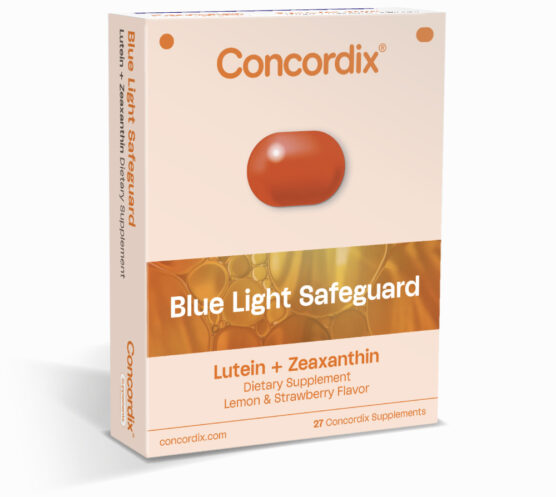
An Emerging Beauty Nutrient

Lutein’s benefits may even extend to the skin.

Just as blue light and environmental stress can affect the eyes, they can also influence skin health. Research suggests that lutein may help reduce oxidative stress caused by visible light exposure while supporting healthy skin structure. (8,16)

Furthermore, studies have shown that lutein may help support skin hydration, elasticity, and overall appearance. By helping protect collagen and limiting oxidative damage, lutein contributes to healthy aging from the inside out.(17)


Why Supplementation May Make Sense

While leafy greens and colorful produce remain important sources of lutein, the reality is that most people fall well short of recommended intake levels.(1,3) Busy lifestyles, dietary preferences, aging, and increased exposure to digital screens all contribute to a growing need for nutritional support. Supplementation offers a practical way to help bridge the gap and provide a consistent daily source of lutein.

The Concordix® Difference

Delivery format matters.

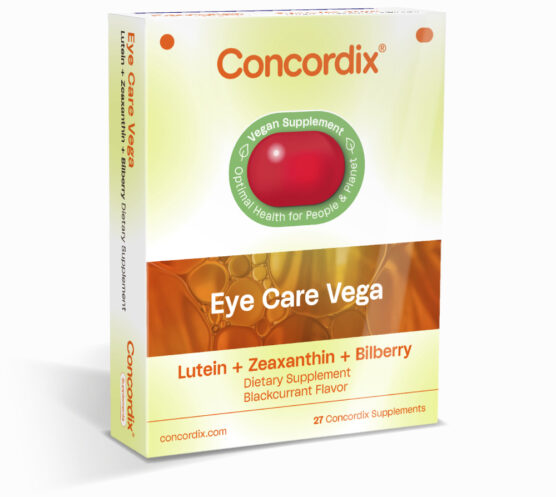
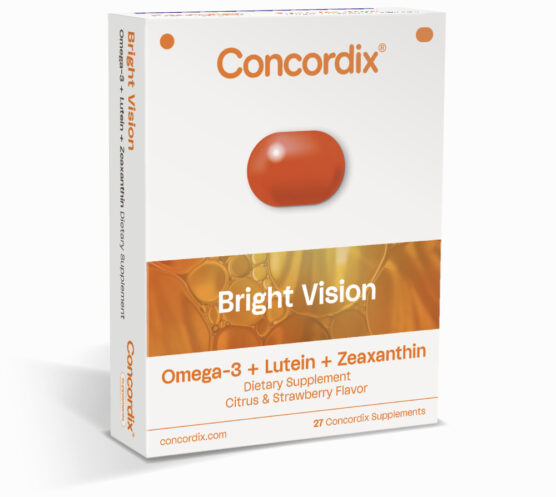
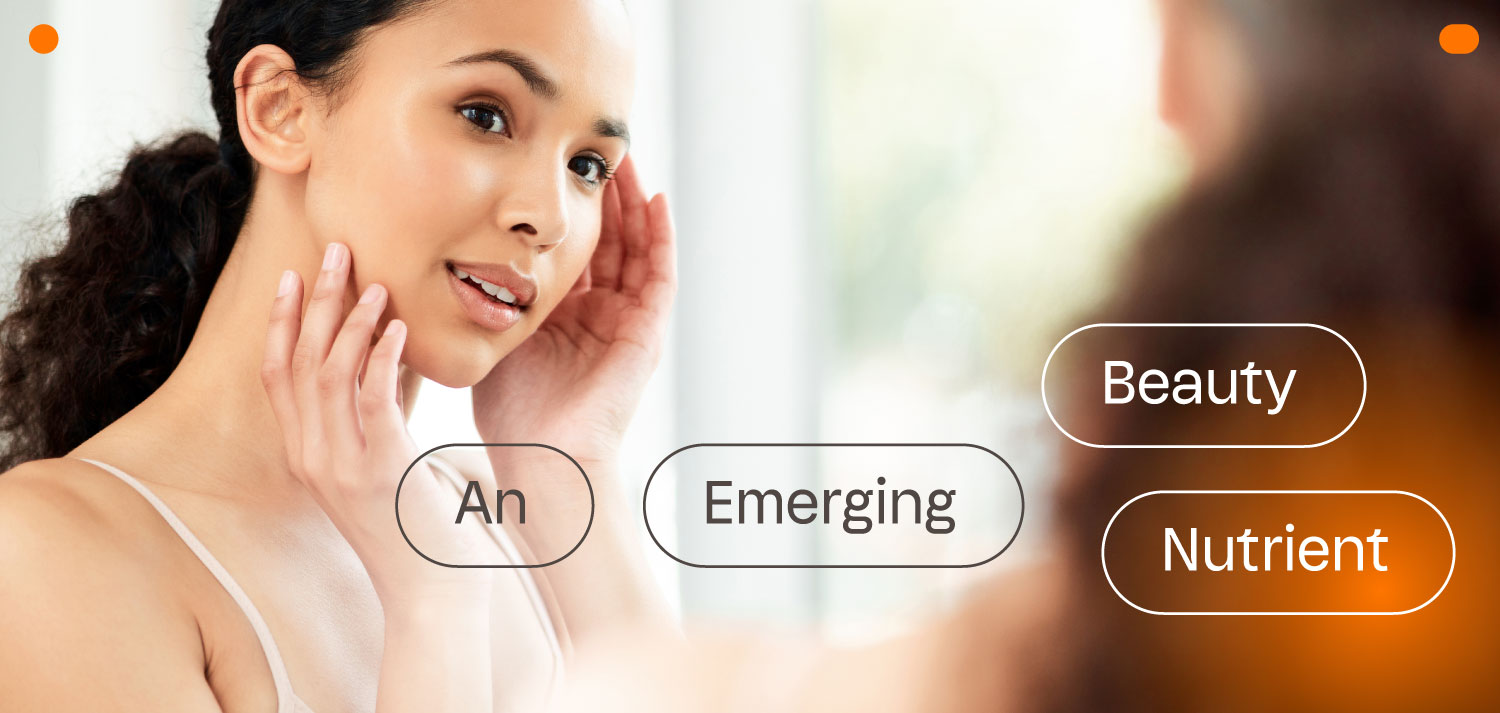
Because lutein is fat-soluble, delivery plays a major role in how effectively the body can absorb and utilize it. Pairing it with dietary lipids and using an emulsified format can support proper digestion and uptake. Concordix® features an innovative chewable emulsion technology that integrates fat- and water-soluble nutrients into a gelatin or pectin matrix, offering a smarter supplement delivery solution.

Each chew is individually sealed to help protect delicate ingredients from oxidation while maintaining freshness and stability. The result is a convenient, enjoyable way to support daily lutein intake without compromising quality.

From supporting healthy vision and cognitive performance to promoting skin health and healthy aging, lutein is truly a nutrient that benefits the body from head to toe. And because its importance begins before birth and continues throughout life, ensuring adequate intake may be one of the wisest long-term investments in overall wellness.(2)


Discover our carotenoid products

Interested?

Download Our Carotenoid Fact Sheet

Find our ready-to-launch and inspirational Carotenoid products in this comprehensive fact sheet.


References

1 U.S. Department of Agriculture. FoodData Central. Food composition database documenting lutein content of foods such as spinach, kale, and egg yolks.
2 Johnson EJ, Hammond BR Jr. Lutein and Zeaxanthin: The Eye and Beyond. Nutrients. 2022.
3 National Academies of Sciences, Engineering, and Medicine. Dietary Reference Intakes for Vitamin C, Vitamin E, Selenium, and Carotenoids. Washington, DC: National Academies Press; 2000.
4 Age-Related Eye Disease Study 2 (AREDS2) Research Group. Lutein + Zeaxanthin and Omega-3 Fatty Acids for Age-Related Macular Degeneration. JAMA. 2013;309(19):2005-2015.
5 Hammond BR Jr, et al. Dietary Modification of Human Macular Pigment Density. Investigative Ophthalmology & Visual Science. 1997.
6 Stringham MC, et al. Macular Pigment and Visual Performance. Progress in Retinal and Eye Research.
7 Hammond BR Jr, Wooten BR. CFF Thresholds: Relation to Macular Pigment Optical Density. Ophthalmic & Physiological Optics.
8 Stahl W, Sies H. Bioactivity and Protective Effects of Carotenoids. Molecular Aspects of Medicine. 2003.
9 Johnson EJ, et al. Brain Concentrations of Lutein Are Related to Cognitive Performance in Older Adults. Experimental Gerontology. 2013.
10 Renzi-Hammond LM, et al. Cognitive Function, Processing Speed, and Macular Pigment in Adults. Archives of Biochemistry and Biophysics.
11 Johnson EJ. A Possible Role for Lutein and Zeaxanthin in Cognitive Function in the Elderly. American Journal of Clinical Nutrition. 2012.
12 Hammond BR Jr, et al. Lutein and Cognitive Function in Children. Nutrients. 2017.
13 Hammond BR Jr, et al. Macular Pigment Is Associated with Cognitive Function in Healthy Adults. Nutrients. 2017.
14 Johnson EJ. The Role of Lutein During Pregnancy and Infancy. Advances in Nutrition. 2020.
15 Johnson EJ, et al. Lutein Concentrations in Infant Brain Are Higher Than Other Carotenoids. Journal of Pediatrics.
16 Clinton SK, et al. Carotenoids and Skin Health. Annual Review of Nutrition. 2018.
17 Heinrich U, et al. Supplementation with Lutein Improves Skin Hydration and Elasticity. Skin Pharmacology and Physiology. 2006.