Communications

January 7, 2026

The Hidden Key to a Stronger, More Resilient Immune System

The immune system works around the clock. It responds to visible challenges, including germs and viruses. It also manages the invisible pressures of modern life: pollution, chronic stress, sleep disruption, processed foods, and demanding routines.

Without the right nutrients, these pressures gradually erode immune strength. Energy dips, resilience weakens, and the body becomes more vulnerable to recurring illness and inflammatory stress.

Many immune products promise quick boosts. These short-term surges rarely support deeper balance or sustained resilience.

The immune system is not an on-off switch. It is a network of cells that requires consistent nutritional support to stay strong, coordinated, and ready to respond.

One category of nutrients plays a central role: omega-3 fatty acids. EPA and DHA do more than support immune health. They help shape immune function at the cellular level, promoting balance, recovery, and resilience throughout life.

The Master Switch of Immune Cells

Omega-3 fatty acids are not simply structural fats. They act as biological regulators that influence how immune cells communicate and respond.

The two primary omega-3 fatty acids – eicosapentaenoic acid (EPA) and docosahexaenoic acid (DHA) – integrate into the membranes of immune cells, influencing flexibility, signaling, and reaction time. This matters because immune cells must respond quickly when threats appear, and then return to balance once challenges resolve.

When omega-3 levels drop, immune cells lose balance. They may overreact or fail to respond effectively, driving excess inflammation and making even minor infections harder to eliminate. Research links low omega-3 status to impaired recovery, prolonged inflammatory signaling, and increased inflammatory stress.(1)

Two decades of research show that people with higher omega-3 levels experience more stable immune responses and fewer chronic flare-ups associated with allergies, arthritis, and low-grade systemic inflammation.(2)

The Science of Immune Resilience: How Omega-3s Power the Body’s Defense System

EPA and DHA influence immune function at the molecular level. They help regulate key signaling molecules, including TNF-α, IL-1β, and IL-6, which drive pain, swelling, and fatigue.(3)

Omega-3s help the immune system respond quickly and effectively without creating unnecessary inflammation that can irritate tissues. They also help the body make resolvins and protectins, natural compounds that switch off inflammation when it is no longer needed and support faster, smoother healing.(4)

Beyond direct immune effects, omega-3s support a strong gut barrier and a thriving gut microbiome.

The gut contains the majority of the body’s immune cells—often estimated at up to 70–80 percent—making this influence significant. EPA and DHA help cultivate a microbial environment that supports balanced immunity and healthy responses to stress.(5)

Immune resilience extends to cognitive and emotional health. Omega-3s help maintain the integrity of the blood-brain barrier and decrease neuroinflammation, supporting a healthier mood and lower rates of anxiety and depression.(6)

The overall outcome: a stronger, steadier defense system with improved recovery, clearer thinking, and better performance during daily demands.

The Hidden Saboteur of the Immune System

Chronic inflammation acts like an internal alarm that never turns off. When this occurs, the immune system continues firing even without a real threat. Over time, this drains energy, disrupts focus, and gradually harms tissues.

Left unresolved, chronic inflammation contributes to damage in organs, joints, and blood vessels. A growing body of research identifies chronic inflammation as a central underlying driver of many modern diseases, contributing to tissue damage, metabolic dysfunction, and immune dysregulation.(7)

Modern diets, which are often high in omega-6 fats, processed oils, and refined carbohydrates, contribute significantly to this inflammatory load.(8)

Omega-6 fatty acids are essential but are best consumed in balance. Excess intake primes the immune system toward heightened reactivity.

Omega-3s help restore balance. EPA and DHA calm inflammatory pathways and support more adaptive immunity. Research shows that individuals with consistent omega-3 intake experience fewer inflammatory symptoms and improved overall resilience.(9)

Why Most People Miss the Mark:
Omega-3s and Immune Support Across Life

Omega-3s matter at every age, yet few people consume enough to achieve meaningful immune benefits.
Children: EPA and DHA support respiratory defenses, and may help reduce allergy risk and improve immune responsiveness in children.(10)
Adults: Omega-3s help regulate inflammation and support immune biomarkers, particularly during periods of physical stress.(11)
Seniors: Research shows improved infection resistance, stronger vaccine responses, and better cognitive and mobility outcomes with omega-3 supplementation.(12)

Population data show more favorable inflammatory profiles and omega-6:omega-3 ratios in regions with higher marine omega-3 intake.(13)

Despite these advantages, most adults fall well short of the recommended EPA and DHA intake. A 2025 AJPM Focus analysis found that nearly 85 percent of the global population fails to meet recommended intake levels for omega-3 fatty acids.(14)

Advanced Immune Support You Can Absorb

Modern diets often contain fats that compete with omega-3s, reducing their availability and effectiveness. For immune support, it is essential to consume EPA and DHA directly from fish, seafood, or high-quality supplements.

Absorption is the key. Even premium omega-3 ingredients provide limited benefit if the body cannot absorb them effectively. Traditional softgels may oxidize, break down during storage, or provide inconsistent uptake.

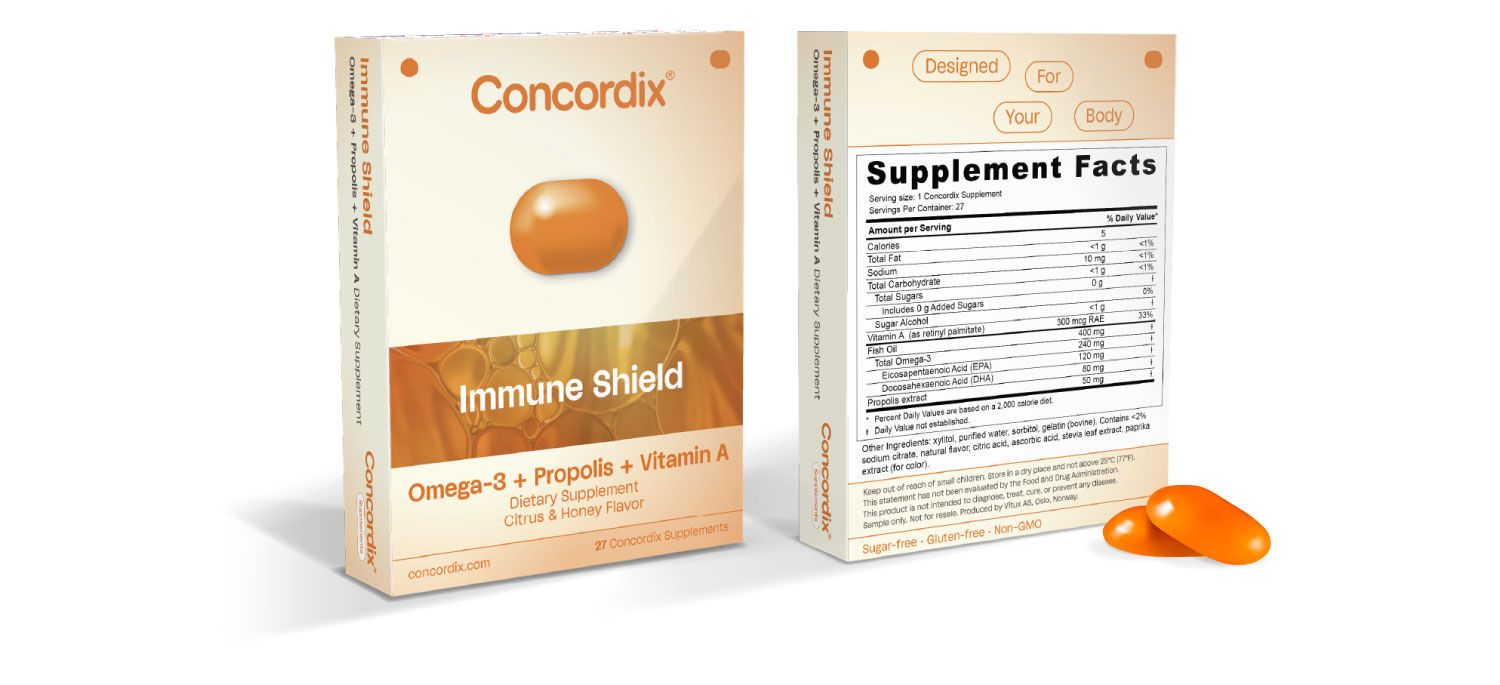
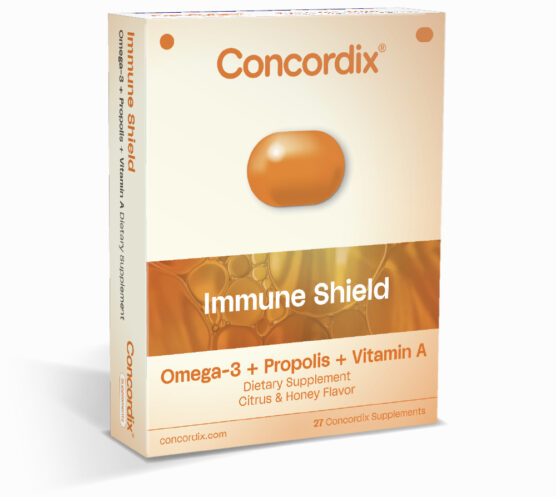
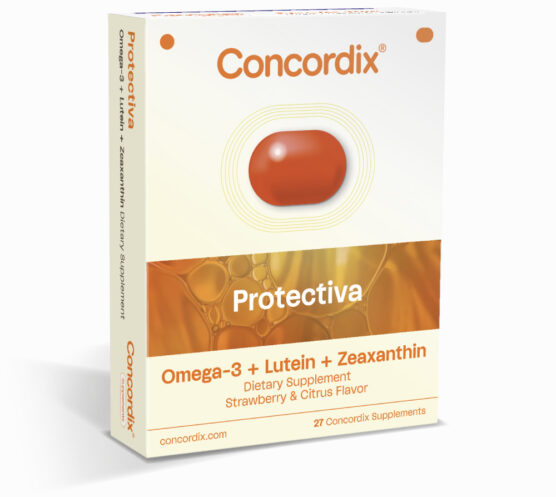
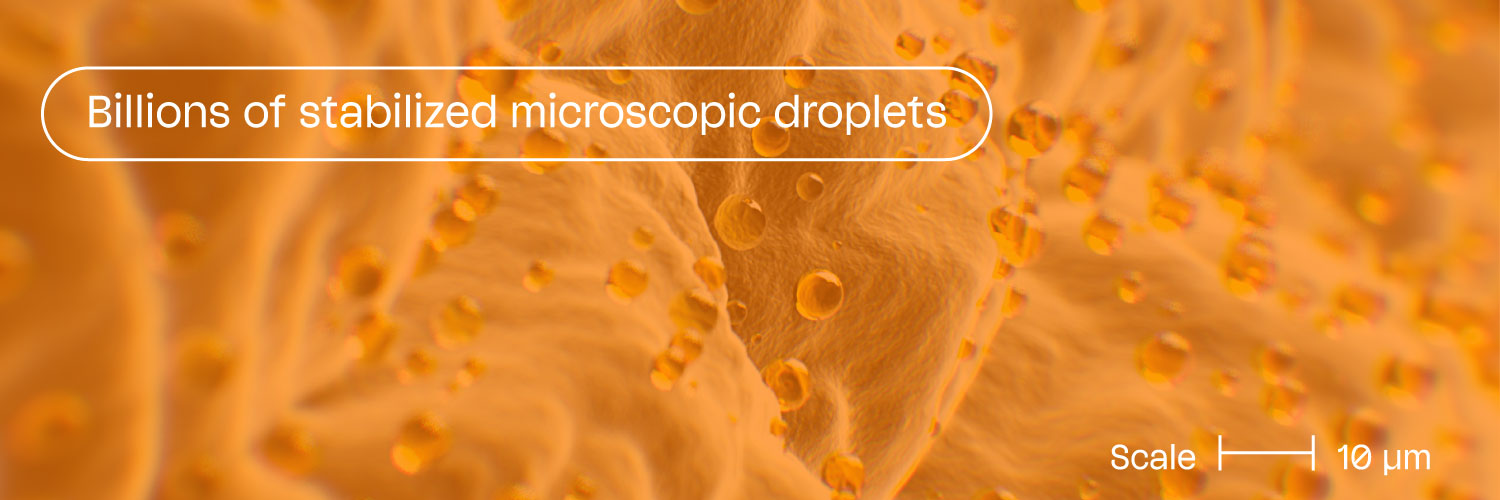
Concordix® Immune Shield was developed to address these challenges. Its patented emulsion-based delivery system disperses omega-3s into billions of stabilized microscopic droplets, supporting absorption that aligns with how the body naturally processes fats.

In a peer-reviewed clinical study, omega-3 fatty acids delivered via the Concordix® chewable gelled emulsion format demonstrated 44.9 percent greater bioavailability than those delivered in softgel capsules.(15)

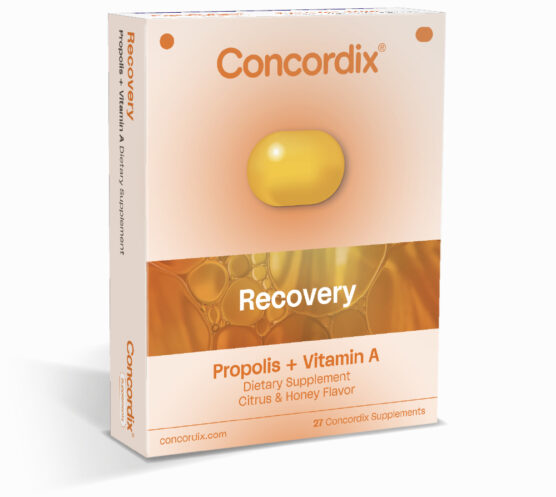
Immune Shield contains propolis, a natural bee-derived compound rich in antioxidants and bioactive constituents. Research shows these compounds support immune signaling and macrophage activity, helping modulate immune responses during periods of heightened demand.(16)

Each serving is freshly sealed and free from preservatives, oxidation concerns, and fishy aftertaste. The chewable emulsion format supports consistent nutrient delivery to immune cells, the gut, and other areas involved in whole-body defense.

Immune Shield is sugar-free, contains flavors from natural sources, and packaged to protect nutrients from light, air, and moisture. It offers a clean-label, bioavailable immune solution suitable for daily use.

Why Omega-3s Are the Immune System’s Best Support

At its foundation, the immune system depends on balanced, resilient cells. Omega-3 fatty acids are essential to this balance. They help ensure that immune responses are strong but controlled, efficient but not overwhelming.

In a world where stress, toxins, and environmental pressures are constant, bioavailable EPA and DHA play a central role in supporting recovery, resilience, and long-term wellness.

Concordix® Immune Shield delivers a practical, science-backed solution by pairing advanced omega-3 absorption with nature’s most effective immune-supporting compounds.

The result is a nutrient system designed to help consumers stay strong, recover efficiently, and maintain energy and clarity throughout daily life.

Learn more about Concordix Immune Shield


References

1. Jannas-Vela S, Espinosa A, Candia AA, Flores-Opazo M, Peñailillo L, Valenzuela R. The Role of Omega-3 Polyunsaturated Fatty Acids and Their Lipid Mediators on Skeletal Muscle Regeneration: A Narrative Review. Nutrients. 2023 Feb 8;15(4):871. doi: 10.3390/nu15040871. PMID: 36839229; PMCID: PMC9965797.
2. Bodur M, Yilmaz B, Ağagündüz D, Ozogul Y. Immunomodulatory Effects of Omega-3 Fatty Acids: Mechanistic Insights and Health Implications. Mol Nutr Food Res. 2025 May;69(10):e202400752. doi: 10.1002/mnfr.202400752. Epub 2025 Mar 30. PMID: 40159804; PMCID: PMC12087734.
3. Poggioli R, Hirani K, Jogani VG, Ricordi C. Modulation of inflammation and immunity by omega-3 fatty acids: a possible role for prevention and to halt disease progression in autoimmune, viral, and age-related disorders. Eur Rev Med Pharmacol Sci. 2023 Aug;27(15):7380-7400. doi: 10.26355/eurrev_202308_33310. PMID: 37606147.
4. Moro K, Nagahashi M, Ramanathan R, Takabe K, Wakai T. Resolvins and omega three polyunsaturated fatty acids: Clinical implications in inflammatory diseases and cancer. World J Clin Cases. 2016 Jul 16;4(7):155-64. doi: 10.12998/wjcc.v4.i7.155. PMID: 27458590; PMCID: PMC4945585.
5. Wiertsema SP, van Bergenhenegouwen J, Garssen J, Knippels LMJ. The Interplay between the Gut Microbiome and the Immune System in the Context of Infectious Diseases throughout Life and the Role of Nutrition in Optimizing Treatment Strategies. Nutrients. 2021 Mar 9;13(3):886. doi: 10.3390/nu13030886. PMID: 33803407; PMCID: PMC8001875.
6. Zailani H, Wang WL, Satyanarayanan SK, Chiu WC, Liu WC, Sung YS, Chang JP, Su KP. Omega-3 Polyunsaturated Fatty Acids and Blood-Brain Barrier Integrity in Major Depressive Disorder: Restoring Balance for Neuroinflammation and Neuroprotection. Yale J Biol Med. 2024 Sep 30;97(3):349-363. doi: 10.59249/YZLQ4631. PMID: 39351324; PMCID: PMC11426295.
7. Chavda VP, Feehan J, Apostolopoulos V. Inflammation: The Cause of All Diseases. Cells. 2024 Nov 18;13(22):1906. doi: 10.3390/cells13221906. PMID: 39594654; PMCID: PMC11592557.
8. Mariamenatu AH, Abdu EM. Overconsumption of Omega-6 Polyunsaturated Fatty Acids (PUFAs) versus Deficiency of Omega-3 PUFAs in Modern-Day Diets: The Disturbing Factor for Their “Balanced Antagonistic Metabolic Functions” in the Human Body. J Lipids. 2021 Mar 17;2021:8848161. doi: 10.1155/2021/8848161. PMID: 33815845; PMCID: PMC7990530.
9. Gutiérrez S, Svahn SL, Johansson ME. Effects of Omega-3 Fatty Acids on Immune Cells. Int J Mol Sci. 2019 Oct 11;20(20):5028. doi: 10.3390/ijms20205028. PMID: 31614433; PMCID: PMC6834330.
10. Hageman JH, Hooyenga P, Diersen-Schade DA, Scalabrin DM, Wichers HJ, Birch EE. The impact of dietary long-chain polyunsaturated fatty acids on respiratory illness in infants and children. Curr Allergy Asthma Rep. 2012 Dec;12(6):564-73. doi: 10.1007/s11882-012-0304-1. PMID: 23001718; PMCID: PMC3492691.
11. Okut S, Ozan M, Buzdağli Y, Uçar H, İnaç MR, Han MT, Bayram E, Kiliç Baygutalp N. The Effects of Omega-3 Supplementation Combined with Strength Training on Neuro-Biomarkers, Inflammatory and Antioxidant Responses, and the Lipid Profile in Physically Healthy Adults. Nutrients. 2025 Jun 24;17(13):2088. doi: 10.3390/nu17132088. PMID: 40647193; PMCID: PMC12251297.
12. Eggersdorfer M, Berger MM, Calder PC, Gombart AF, Ho E, Laviano A, Meydani SN. Perspective: Role of Micronutrients and Omega-3 Long-Chain Polyunsaturated Fatty Acids for Immune Outcomes of Relevance to Infections in Older Adults-A Narrative Review and Call for Action. Adv Nutr. 2022 Oct 2;13(5):1415-1430. doi: 10.1093/advances/nmac058. PMID: 35587877; PMCID: PMC9384096.
13. Torrissen M, Gisslevik E, Gundersen TE, Bolstad T, Eide O, Rizzo AM, Clayton P, Robertson C. Global variations in omega-3 fatty acid status and omega-6:omega-3 ratios: insights from > 500,000 whole-blood dried blood spot samples. Lipids Health Dis. 2025 Aug 9;24(1):260. doi: 10.1186/s12944-025-02676-6. PMID: 40783537; PMCID: PMC12335782.
14. Ciesielski TH. Global Access to Uncontaminated Omega-3 Polyunsaturated Fatty Acids Requires Attention. AJPM Focus. 2025 Mar 28;4(4):100341. doi: 10.1016/j.focus.2025.100341. PMID: 40520676; PMCID: PMC12166692.
15. Haug IJ, Sagmo LF, Zeiss D, Olsen IC, Draget KI, Seternes T. Bioavailability of EPA and DHA delivered by gelled emulsions versus softgel capsules. European Journal of Lipid Science and Technology. 2011;113(2):137–145. doi:10.1002/ejlt.201000450.
16. Al-Hariri M. Immune’s-boosting agent: Immunomodulation potentials of propolis. J Family Community Med. 2019 Jan-Apr;26(1):57-60. doi: 10.4103/jfcm.JFCM_46_18. PMID: 30697106; PMCID: PMC6335834.