Communications

January 16, 2026

CoQ10: The Spark Plug of Cellular Energy

Coenzyme Q10 (CoQ10) is widely recognized as a foundational nutrient in cellular energy metabolism. Endogenously produced in every cell of the body, CoQ10 plays a central role in mitochondrial ATP production — the process that converts nutrients into usable cellular energy. (1, 2, 3)

High-Energy Tissues and Antioxidant Support

Tissues such as the heart, brain, liver, and skeletal muscle have especially high energy demands. CoQ10 is therefore critical for maintaining normal physiological function in these systems. (1, 3) In addition to its role in energy production, CoQ10 functions as an intracellular antioxidant, helping neutralize oxidative byproducts generated during mitochondrial activity.(1)

Endogenous Production, Aging, and Statin Use

Although the body synthesizes CoQ10 naturally, endogenous production declines with age and can be further reduced by external factors.(3) A well-documented example is statin therapy. Statins inhibit HMG-CoA reductase — the same biochemical pathway used for CoQ10 synthesis — potentially leading to lower circulating CoQ10 levels.(2)
This is increasingly relevant as statin use continues to rise globally. An analysis covering 91 countries and representing approximately 90% of the world’s population aged 40 and older found that statin use increased by nearly 25% between 2015 and 2020.(4)

Dietary Limitations and the Role of Supplementation

CoQ10 is present in foods such as organ meats, fatty fish, and whole grains, but only in small amounts. Typical dietary intake ranges from approximately 3–6 mg per day, even in diets rich in CoQ10-containing foods.(5)

By comparison, supplemental CoQ10 products commonly provide 100–200 mg per serving — levels that are impractical to achieve through diet alone. For this reason, supplementation is often considered when physiological demand is increased or endogenous production is reduced.

Evidence-Based Support for CoQ10 Supplementation

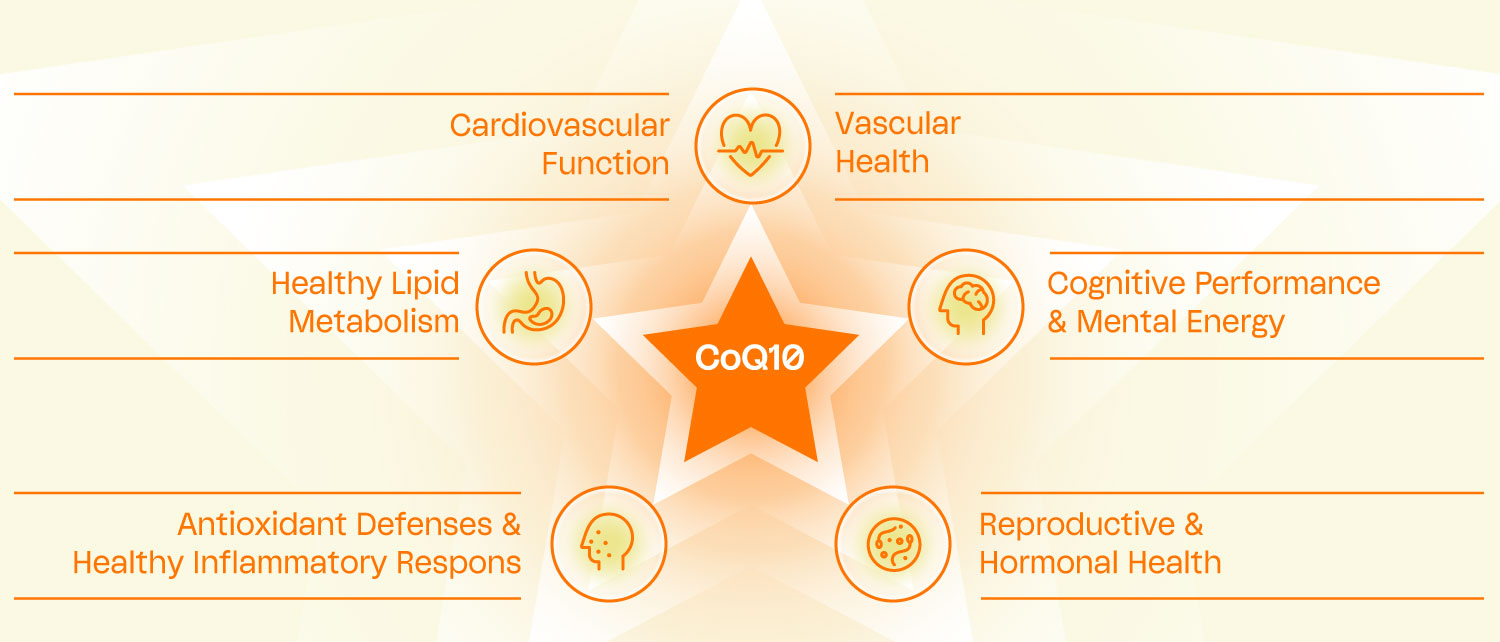
Clinical and observational research indicates that CoQ10 supplementation can support multiple aspects of normal physiology, including:
● Cardiovascular function and vascular health (7)
● Healthy lipid metabolism (7)
● Cognitive performance and mental energy, particularly in aging populations (8)
● Reproductive and hormonal health (9)
● Antioxidant defenses and a healthy inflammatory response (1)
These benefits are closely tied to CoQ10’s dual role in mitochondrial energy production and oxidative balance.

The Formulation Challenge: Absorption Matters

Despite its central role in energy production and antioxidant defense, CoQ10 presents a well-known formulation challenge. As a fat-soluble compound with a relatively large molecular size, its absorption is low and variable when delivered in conventional powder-filled capsules or standard softgels.(10)

Human studies demonstrate that CoQ10 bioavailability varies significantly with formulation; emulsified and solubilized forms are absorbed more efficiently than conventional powder-filled capsules.(10)

Because of this variability, the labeled dose does not necessarily reflect the amount of CoQ10 available for cellular use. For brands, this is a critical consideration when designing supplements that aim to deliver consistent, effective outcomes for consumers.


Enabling Smarter CoQ10 Products

For brands operating in an increasingly competitive supplement landscape, the challenge is no longer ingredient selection alone—but how effectively that ingredient is delivered and experienced.

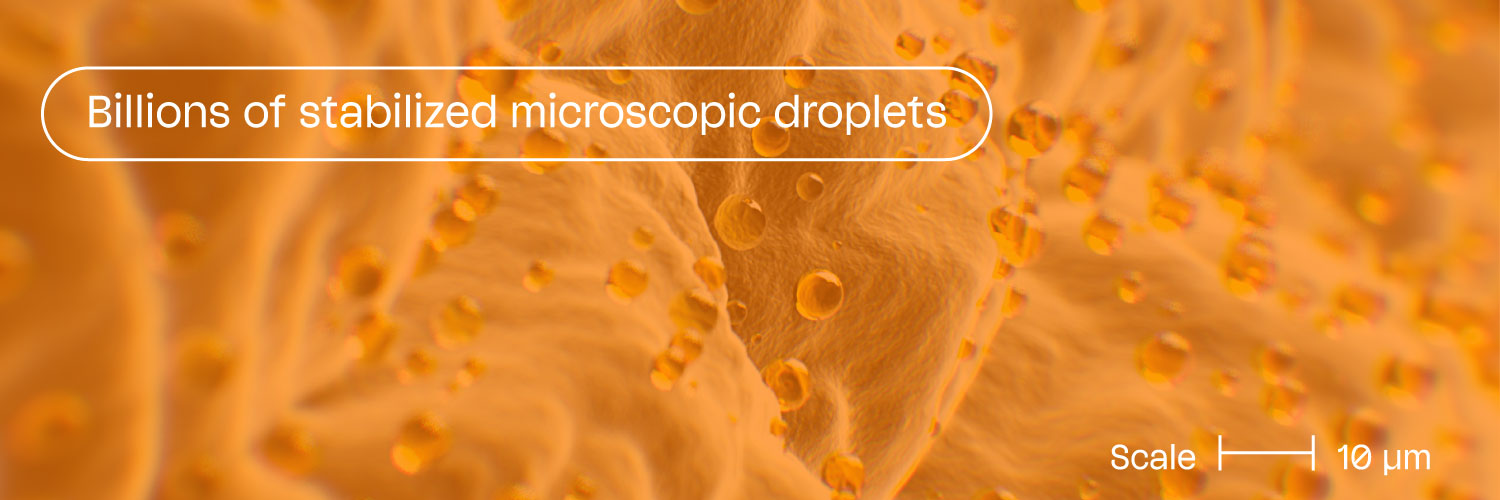
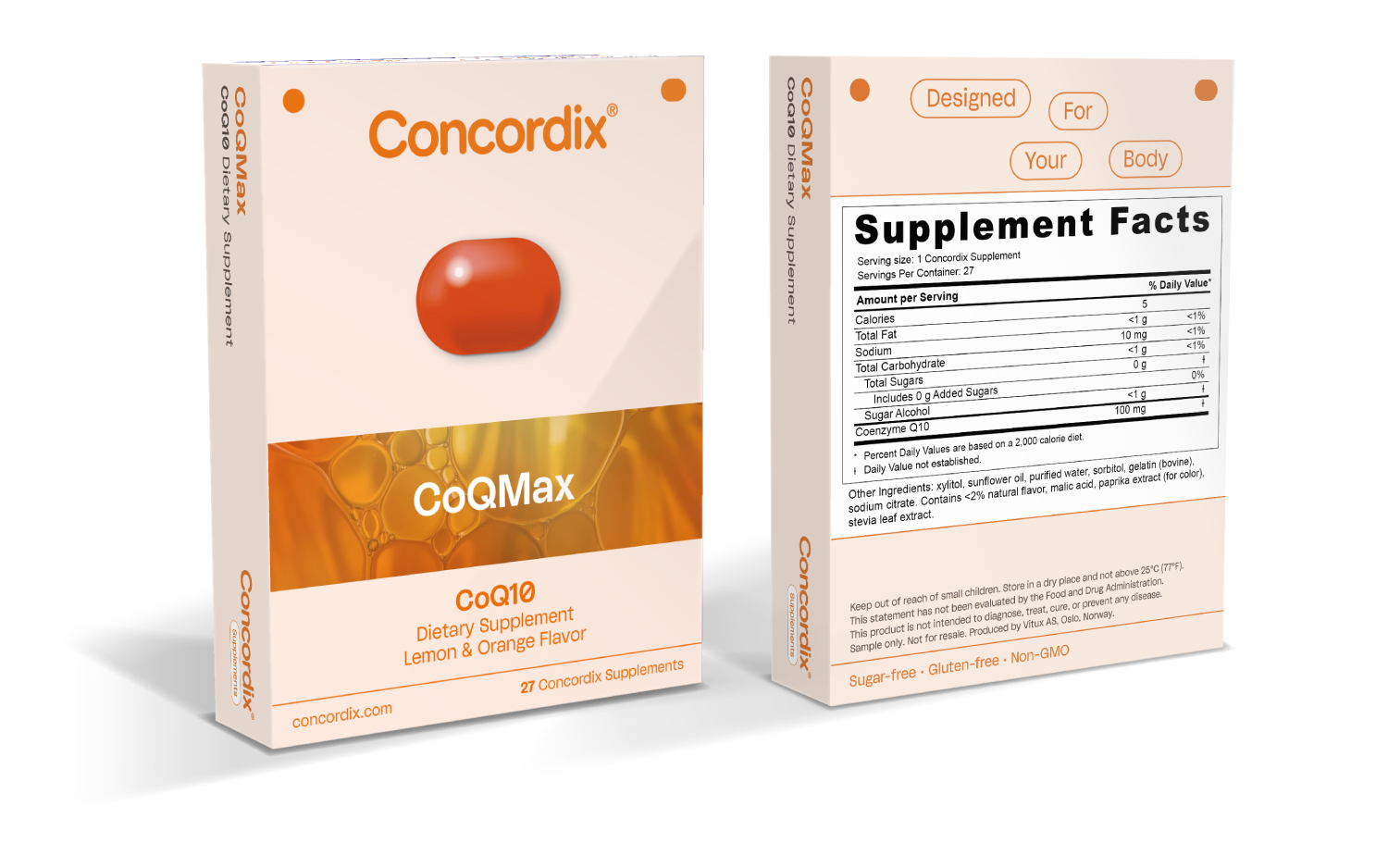
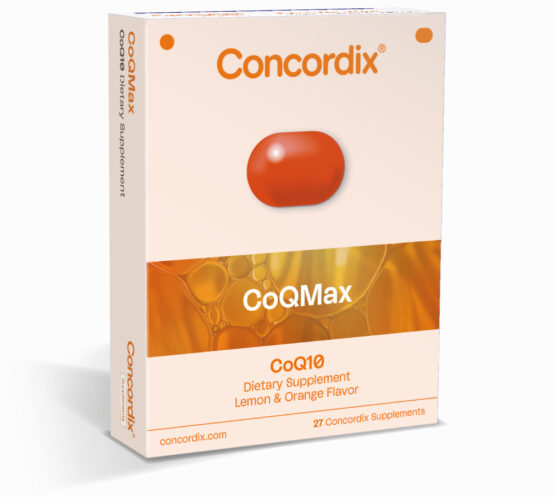
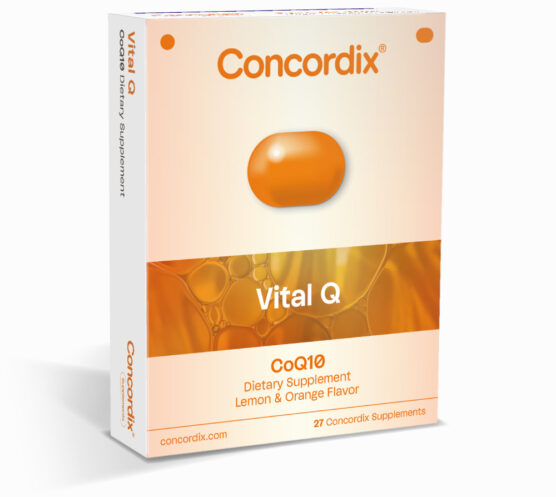
Formulated using patented Concordix® emulsion technology developed in Norway to reflect the structural characteristics of nutrients as they occur in real food, CoQMax pairs established CoQ10 science with an advanced, food-mimetic delivery system designed to support consistent dosing, improve consumer compliance, and enable differentiated product design.

By addressing both the biological and practical limitations of conventional CoQ10 formats, CoQMax provides brands with a platform to develop next-generation cellular energy products — aligning credible science, modern delivery expectations, and real-world usability in a single solution.

Disclaimer: This content is for informational purposes only and is not intended as medical advice. Always consult with a healthcare professional before making dietary changes or starting a new supplement. These statements have not been evaluated by the Food and Drug Administration. This product is not intended to diagnose, treat, cure, or prevent any disease.

References

1. Hidalgo-Gutiérrez A, González-García P, Díaz-Córdoba A, et al. Metabolic targets of coenzyme Q10 in mitochondria. Antioxidants (Basel). 2021;10(4):520. doi:10.3390/antiox10040520
2. Sood B, Patel P, Keenaghan M. Coenzyme Q10. StatPearls. Updated 2025. PMID: 32119349
3. Barcelos IP, Haas RH. CoQ10 and aging. Biology (Basel). 2019;8(2):28. doi:10.3390/biology8020028
4. Guadamuz JS, Shooshtari A, Qato DM. Global, regional and national trends in statin utilisation, 2015–2020. BMJ Open. 2022;12(9):e061350. doi:10.1136/bmjopen-2022-061350
5. Healthy Directions. CoQ10 Facts: CoQ10 Benefits, Dosage & More. Healthy Directions. 2025 [cited 2026 Jan 08]. Available from: https://www.healthydirections.com/coq10
6. Zozina VI, Revin VV, Kamalov AA, et al. Coenzyme Q10 in cardiovascular and metabolic diseases. Curr Cardiol Rev. 2018;14(3):164–174. doi:10.2174/1573403X14666180216114907
7. Liu Z, Zhang D, He Q, et al. Effects of coenzyme Q10 supplementation on lipid profiles. J Clin Endocrinol Metab. 2022;108(1):232–249. doi:10.1210/clinem/dgab697
8. Stough C, Nankivell M, Camfield DA, et al. CoQ10 and cognition: Review and study protocol for a 90-day randomized controlled trial investigating the cognitive effects of ubiquinol in the healthy elderly. Front Aging Neurosci. 2019;11:103. doi:10.3389/fnagi.2019.00103. PMID: 31191293; PMCID: PMC6549544
9. Nie X, Dong X, Hu Y, et al. Coenzyme Q10 stimulates reproductive vitality. Drug Des Devel Ther. 2023;17:2623–2637. doi:10.2147/DDDT.S392134
10. López-Lluch G, Irusta PM, Navas P, de Cabo R. Bioavailability of coenzyme Q10 supplements depends on formulation. Nutrition. 2014;30(6):733–739. doi:10.1016/j.nut.2013.09.020